

Port of Mackay: Building the next chapter for regional growth
- NQBP is investigating key infrastructure projects at the Port of Mackay.
- NQBP Ports contribute $35 billion to Queensland economy and supports 47,000 jobs.
- Modernising Mackay key to expanding existing and driving future trade.
- Industry partnerships central to next chapter of success.
North Queensland Bulk Ports Corporation (NQBP) Chief Executive Officer, Brendan Webb, has shared the Port of Mackay’s enduring legacy and future potential during his keynote address at the Resource Industry Network (RIN) Industry Briefing.
Held at Harrup Park, the event brought together industry leaders, government representatives and regional stakeholders to discuss how NQBP is powering regional prosperity through trade, infrastructure and community investment across North Queensland.
Mr Webb reflected on the Port of Mackay’s 86-year history—from the 1957 opening of what was then the world’s largest bulk sugar terminal, to its evolution into a diversified trade hub supporting Queensland’s energy, agriculture and resources sectors.
“The Port of Mackay has always been a story of innovation and resilience,” Mr Webb said.
“As we look to the future, the question we’re asking is: what’s our next sugar success story?
“Ongoing investment in Mackay is essential for the Port to modernise so it can continue to underpin existing and emerging trades.”
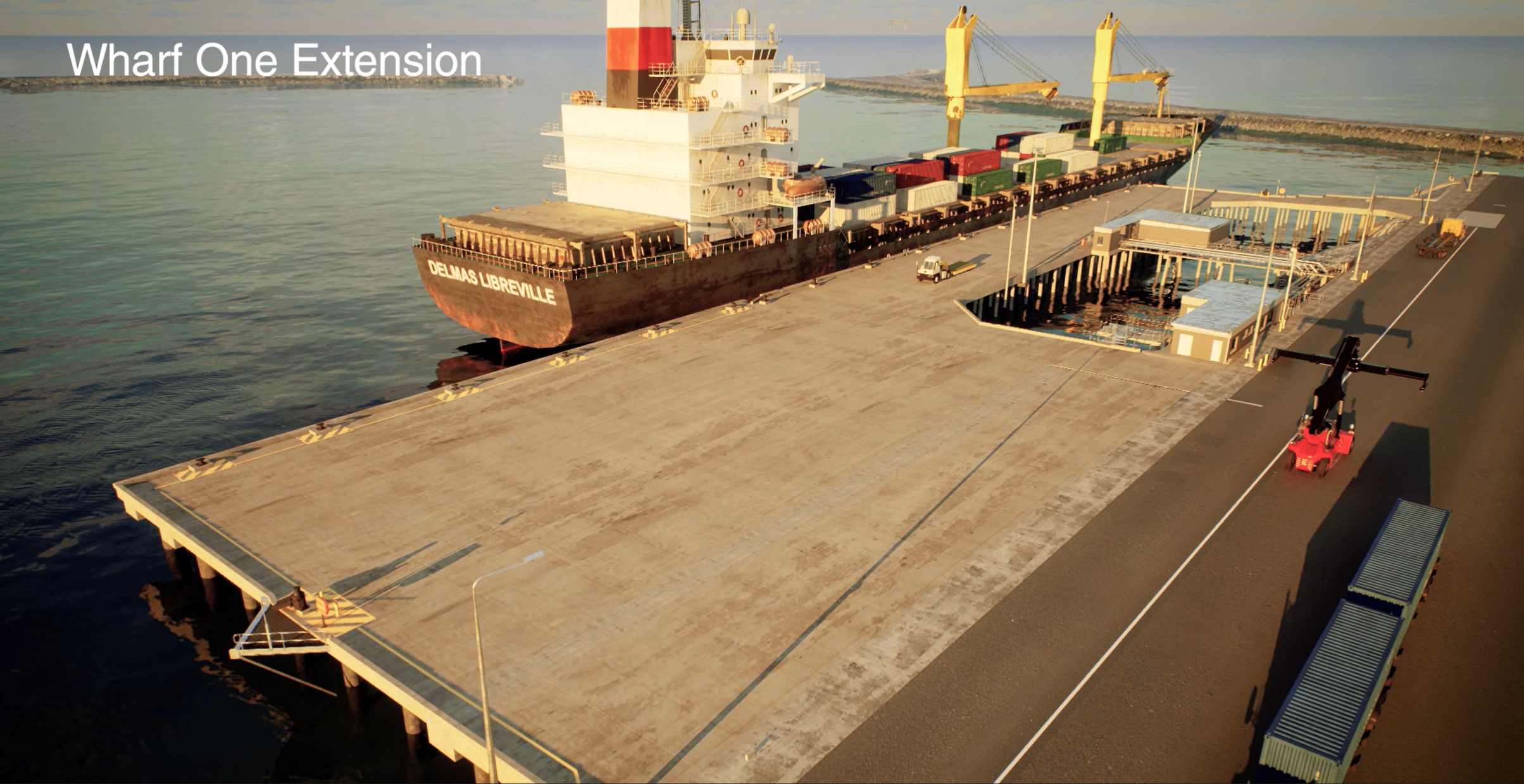
Mr Webb outlined two key infrastructure projects NQBP was exploring to support the region’s economic growth including extending Wharf 1’s cargo handling capabilities and developing a purpose-built laydown area.
“The George Bell Drive Heavy Duty Laydown at Mackay could cater for containerisation of the port and improve supply chain efficiency for businesses located in Central Queensland.”
“The existing Wharf 1 facility is approaching end of life. An extension will enable restoration of the original wharf and increase our capabilities for complex, heavy-lift logistics whether for existing or expanding mining operations or proposed private-led renewable energy projects.”
“These investments could ensure today’s industries thrive well into the future,” Mr Webb said. “We’re laying the groundwork through feasibility studies, development and designs to help build stronger regional supply chains.”
Closing his address, Mr Webb introduced members of NQBP’s leadership team and encouraged ongoing collaboration across industry and government to drive regional growth.
“We’re not just building ports—we’re building stronger regions,” he said. “Let’s work together to deliver the next chapter of success for North Queensland.”
NQBP manages the ports of Hay Point, Mackay, Abbot Point and Weipa, which together facilitate more than 150 million tonnes of trade annually, contributing $35 billion to the Queensland economy and supporting 47,000 jobs.
Collectively, NQBP ports move more than half (54%) of Queensland’s trade by volume, including 68 per cent of Queensland’s coal exports.
Port-by-port impact:
- Hay Point: $21.1 billion GSP | 29,500 jobs | 96.24 million tonnes of coal exports
- Abbot Point: $9.5 billion GSP | 8,100 jobs | 34.66 million tonnes of coal exports
- Mackay: $1.1 billion GSP | 2,100 jobs | diversified trade including sugar, grain and fuel
- Weipa: $0.7 billion GSP | 3,100 jobs | 17.24 million tonnes of bauxite exports
See NQBP’s vision for the future of the Port of Mackay.
Images for download
Image | Mackay Regional Council Councillor Anne Baker, NQBP CEO Brendan Webb, Mayor of Mackay Regional Council Greg Williamson, Deputy Mayor of Mackay Regional Council Karen May and Mackay Women's Services CEO Belinda Berg at the Resource Industry Network Industry Briefing.
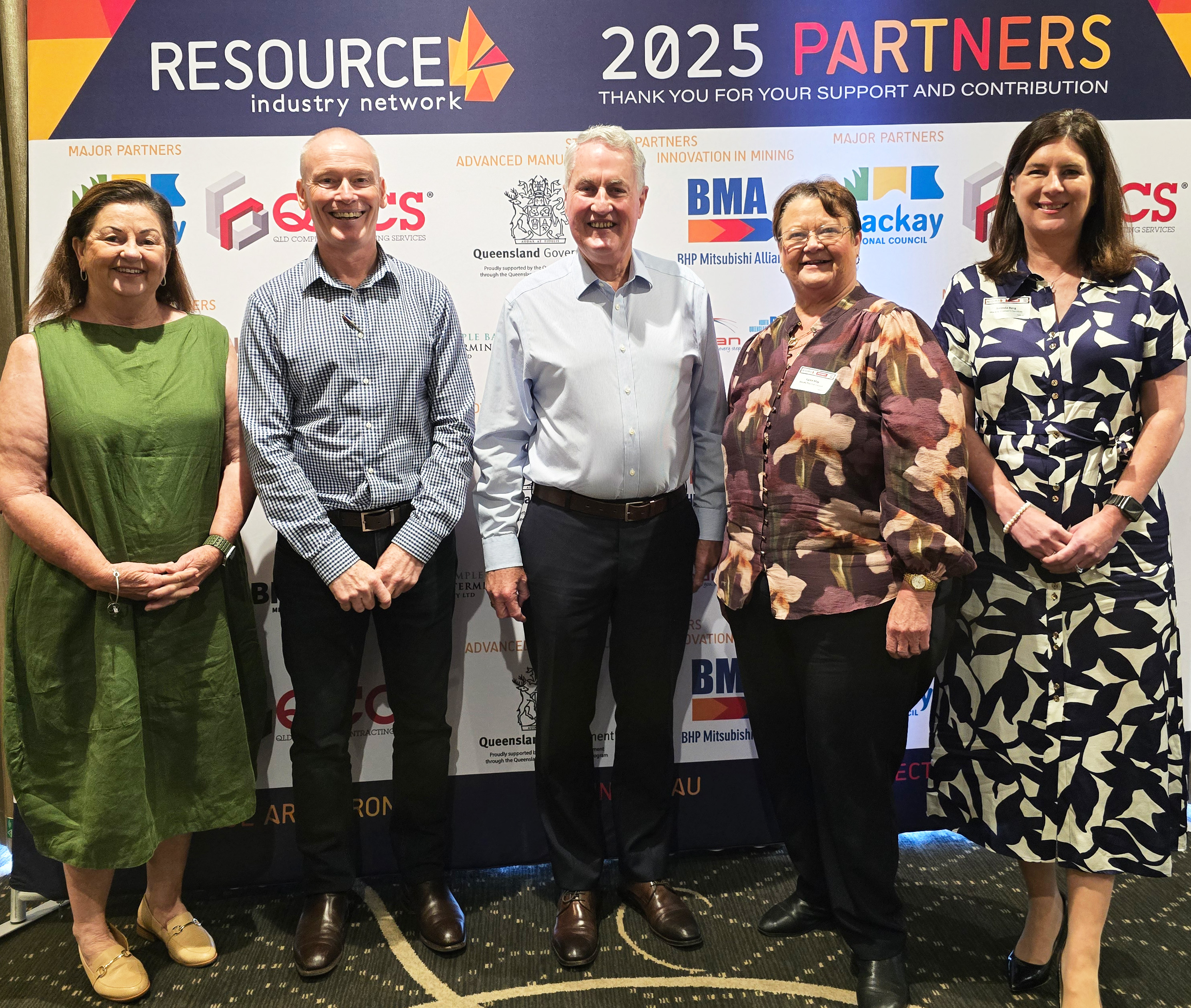
Image 1 and Image 2 | The George Bell Drive Heavy Duty Laydown could cater for containerisation of the Port of Mackay and improve supply chain efficiency for businesses located in Central Queensland.
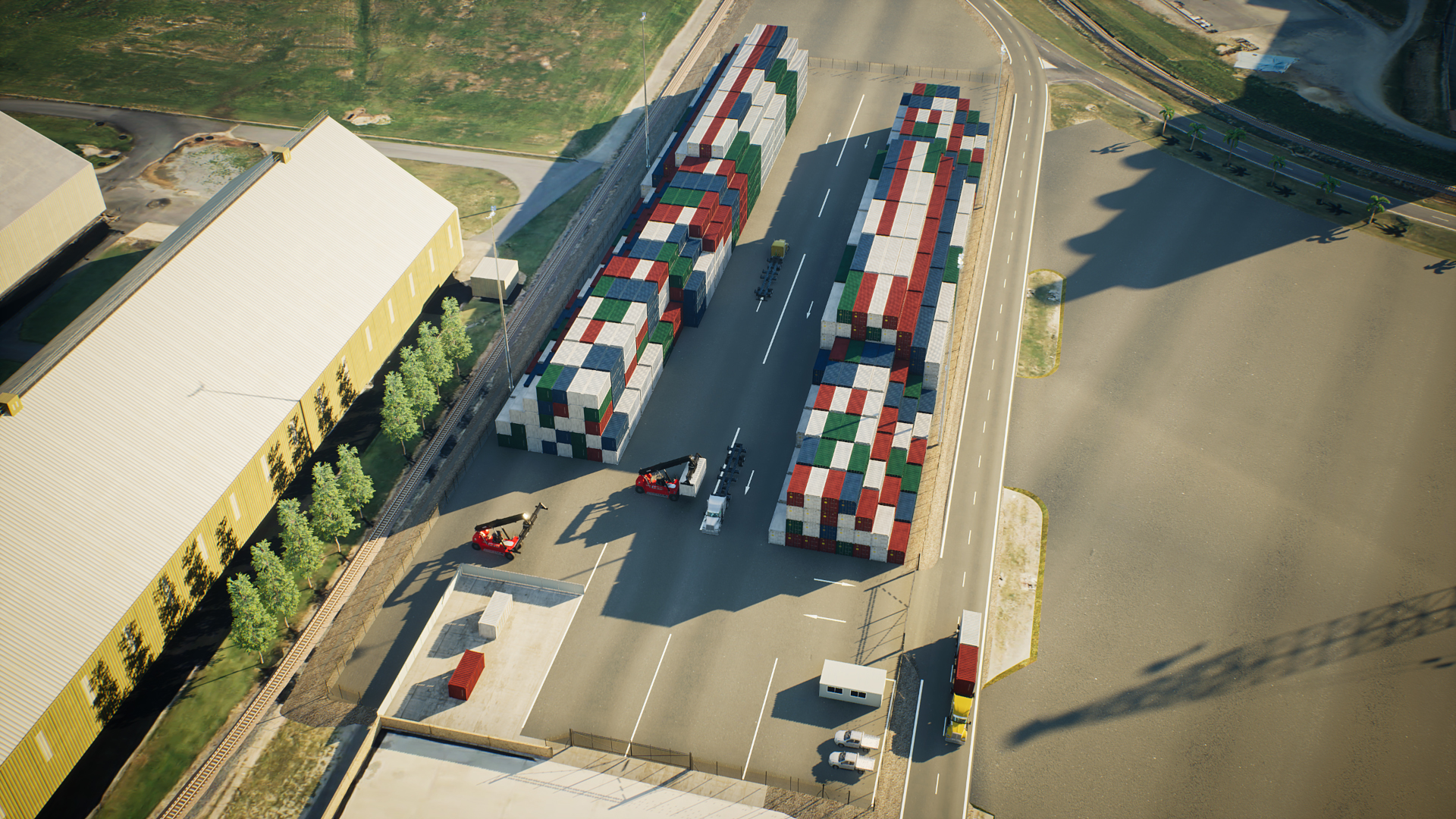
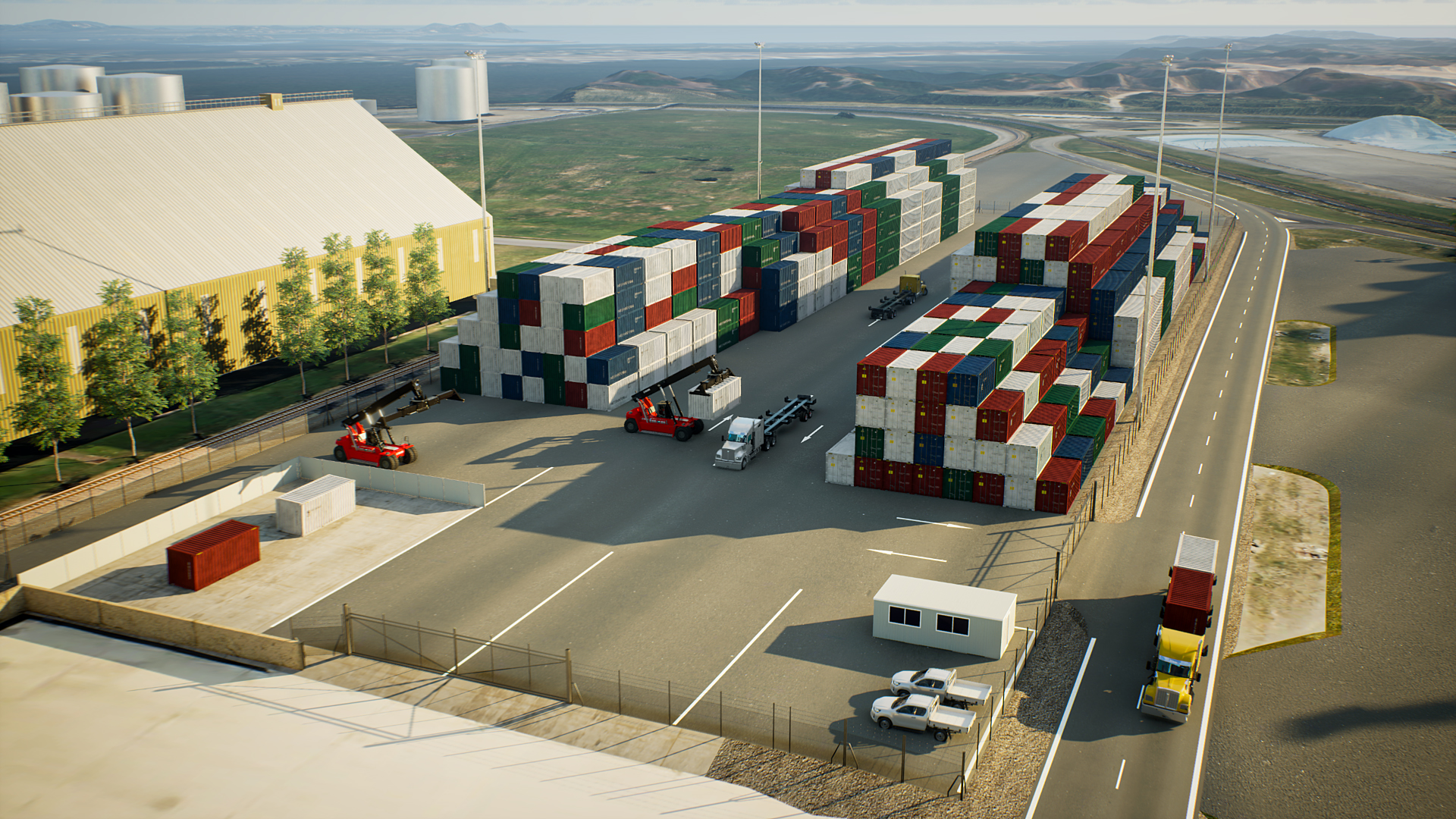
Image | The Wharf One extension will increase NQBP’s capabilities for complex, heavy-lift logistics at the Port of Mackay.
ENDS
North Queensland Bulk Ports Corporation contact:
Amanda Blines | Acting Senior Manager Communications and Corporate Affairs.
0439 703 330 | ablines@nqbp.com.au
Related Articles
-
 Trade 1 Jan 2000
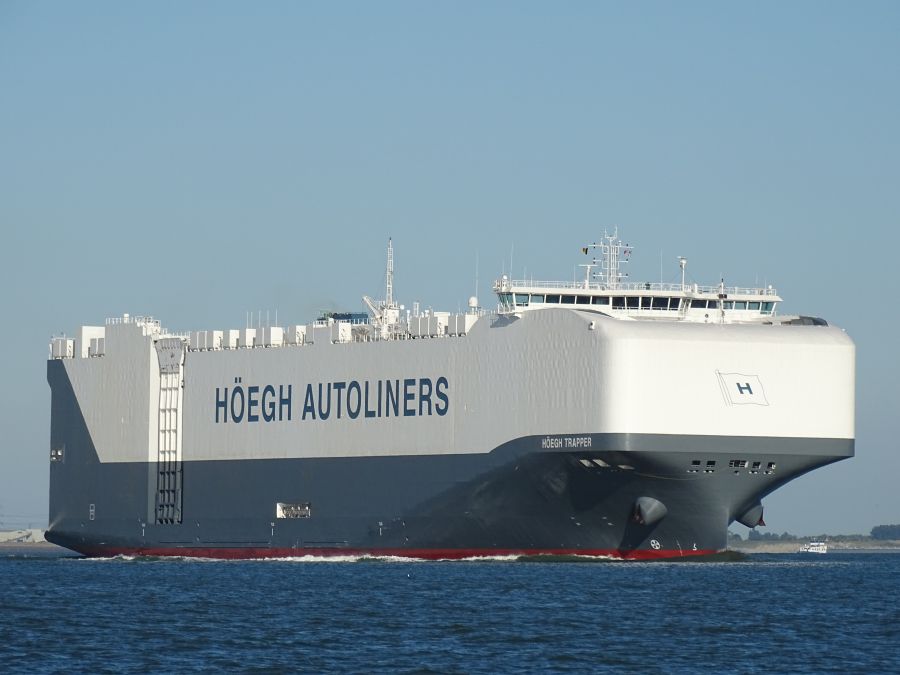
Super-sized RoRo vessel set for grand entrance at Port of Mackay
The evolution of the Port of Mackay as a multi-cargo gateway will take a significant step forward this month when one of the world’s largest automobile roll-on roll-off (RORO) vessels calls at the port.
-
 Port operations 2 Jul 2025
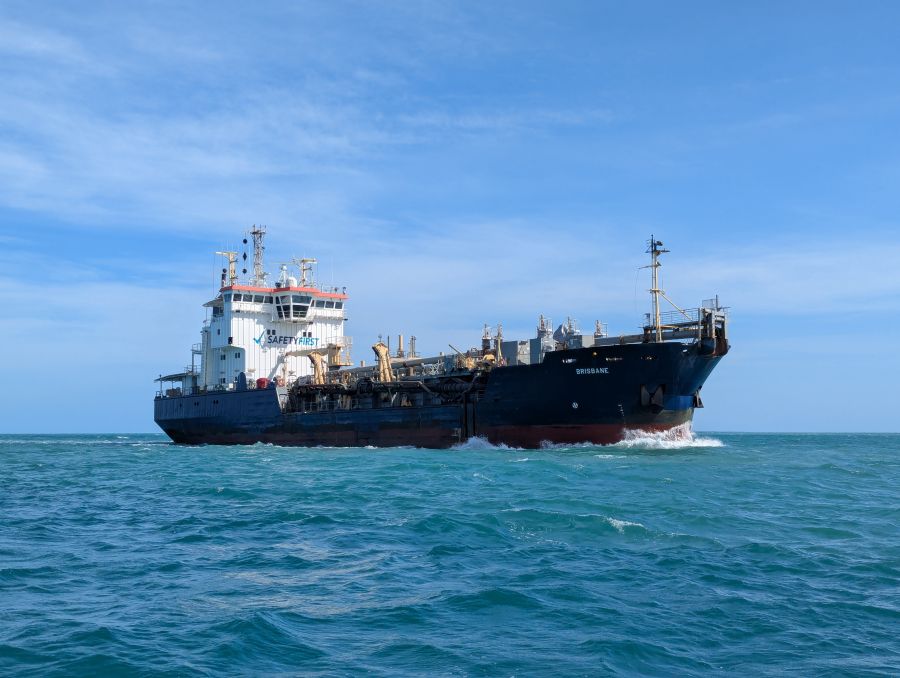
Annual dredging at the Port of Weipa complete
Maintenance dredging for 2025 has been completed at the Port of Weipa.
-
 Community 9 Jun 2020
Port Community Reference Groups award grants
MACKAY and Hay Point communities will soon benefit from two $5,000 sponsorships awarded by their local Port Community Reference Groups (CRGs).